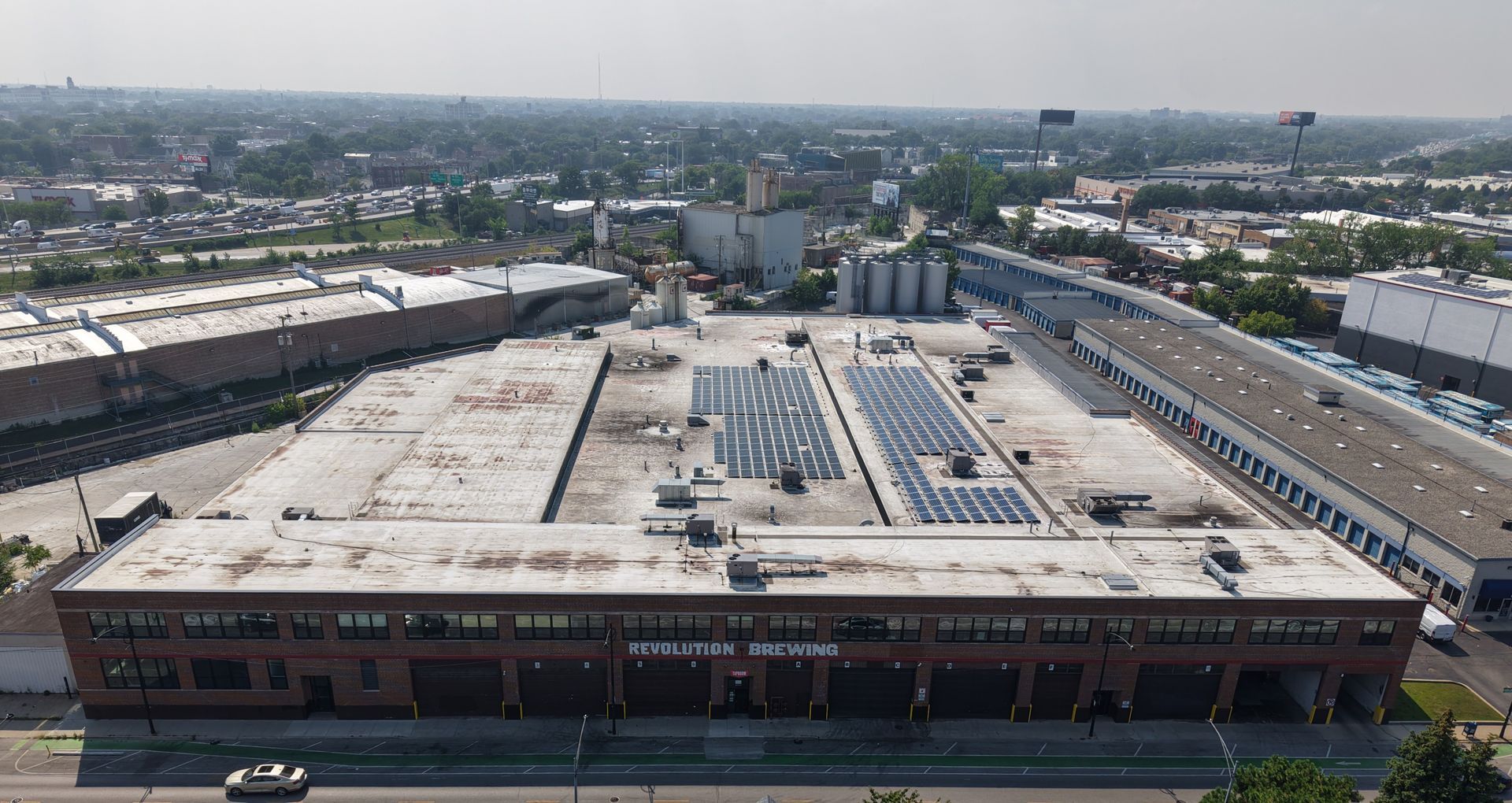
Evanston Passes First Building Performance Standard in Illinois

Ryan Wilmington • March 11, 2025

Building Professionals Key to Passing Healthy Buildings Ordinance

Evanston – On March 10, following weeks of input from residents, environmental advocates, and building industry professionals, Evanston City Council passed the Healthy Buildings Ordinance, a major initiative to green and modernize large buildings in the city. Green building professionals in particular were instrumental in lending their unique voices to the discussion with policymakers to help pass the initiative.  

The Healthy Buildings Ordinance directs the city to develop Building Performance Standards, a policy that sets energy reduction targets for large buildings. Greening the built environment is a key climate goal for Evanston — over 80% of the city’s emissions stem from the building sector and 50% come from large buildings.  


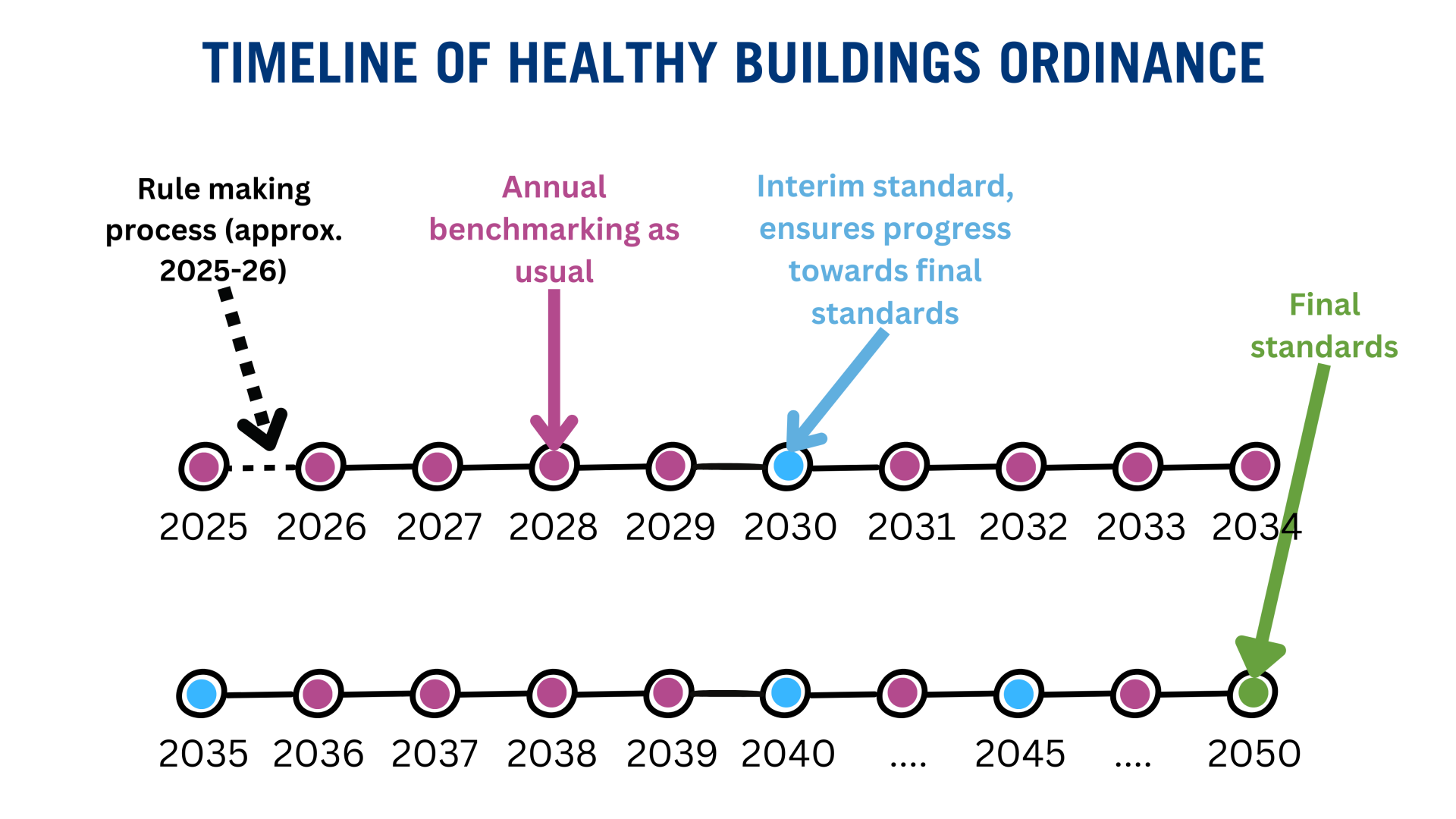
To help educate council members on the policy, Illinois Green Alliance members weighed in to share their experience and support for the Healthy Buildings Ordinance. The ordinance takes aim at emissions from Evanston’s large buildings specifically. Beginning in 2031 and continuing every 5 years until, commercial buildings over 20,000 sq. ft. and residential buildings over 50,000 sq. ft. will meet new performance standards. Around 500 buildings in the city will be covered by this policy. 
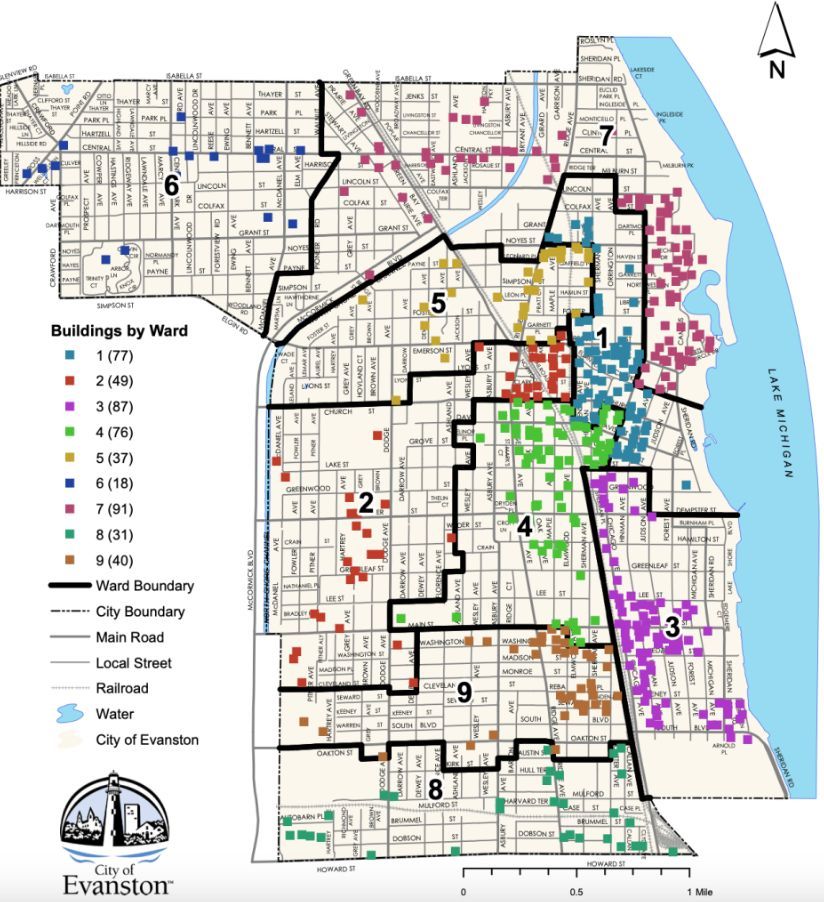
Moving forward,  a committee of expert stakeholders will develop these standards and alternative compliance paths to ensure that the policy is flexible. A separate committee will explore how to equitably implement it. Last year, Evanston received a $10 million Department of Energy grant to support this policy’s development and implementation. Building owners in the city can also draw on free resources like the Building Energy Resource Hub and ComEd Energy Programs to support efficiency projects. 
“The Healthy Buildings Ordinance is not only a first for Illinois, it is an important step towards our vision to decarbonize every building in Illinois. Forward-thinking policies like this help ensure the health and resiliency of our communities and help scale the building technologies and design practices our members are helping advance every day.” 

Brian Imus, Executive Director, Illinois Green Alliance 

Evanston joins Boston, Seattle, Denver, Washington D.C., and others who have adopted similar policies and is the second in the Midwest after St. Louis to do so. Last month, the city also passed another first-of-its-kind in Illinois clean building initiative—adopting the Stretch Energy codes. 


Illinois Green Alliance congratulates the City of Evanston, Mayor Biss, city council members, city staff, and all others responsible for this incredible achievement. We look forward to offering our support in implementing the ordinance and hope other cities across the state and region follow your leadership by passing similar policies.


Get news and advocacy alerts in your email! Sign up for our new policy newsletter!

The new Illinois Green Policy Newsletter will bring this monthly update, feature stories and timely advocacy action alerts directly to your inbox. Sign up to stay up to date on the latest local sustainability policy news and the ways you as a building professional can use your expertise make a difference.

Sign up here!
By Ryan Wilmington January 23, 2026
Five years ago, Illinois Green Alliance launched a new strategic plan with a bold north star to guide our work: to make net zero buildings feasible, affordable, and so commonplace that every building in Illinois was net zero by 2050. Mainstreaming the technology and building methods, whether new or existing, is no easy feat. But we realized no one was better positioned to make it happen than green building professionals.Our focus over the last five years have been about laying the foundation necessary to meet our long-term vision and I’m excited to share the progress we’ve made. These past five years have been guided by three pillars: ● Educating industry professionals to ensure they have the expertise to use net zero building methods in their work and can help us raise awareness about their value with building owners and policy makers. ● Removing barriers by providing information about the technical, financial, social and policy roadblocks to net zero adoption and passing new laws that help to overcome these barriers. ● Demonstrating it can work everywhere by collaborating with building types in historically underinvested communities that are considered difficult to implement net zero methods. That focus has paid off, allowing us to meet many of the goals we set for our work across all of our strategies. For example:
By Ryan Wilmington January 16, 2026
At the start of 2025, I told our members that we can build a movement of green building advocates that can continue the progress made in Illinois for high-performance building, regardless of what happens in Washington D.C. Over the last year, you’ve proven me right. While elsewhere green building and clean energy goals have been put on pause, Illinois has continued the fight and won three huge victories that usher in historic investment in clean energy and green buildings and raise the bar for building performance, completely changing the landscape for what is possible in this industry. 
By Twyla Neely-Streit December 16, 2025
he mission of the Illinois Green Schools Project (IGSP)—our year-long school sustainability action and recognition program--is to empower educators, school administrators, students, and school communities to create healthy, sustainable learning environments. This work requires passion, collaboration, and informed support, and as an IGSP program coordinator, I’m always on the lookout for opportunities that help schools build the knowledge and connections needed to drive meaningful, lasting change in their buildings and districts. The Green Schools Conference has long been one of the most impactful gatherings in this space. Its focus on the intersection of environmental health, sustainability, and education makes it a uniquely valuable event for anyone working to make schools healthier and greener places for students to learn and grow. From educators, administrators, and district representatives to facilities managers, students, and community organizations, the Green Schools Conference is a powerful space to learn, collaborate, and fuel your next big idea. This year’s conference promises a rich lineup of workshops, education sessions, and networking and recognition events that speak to the needs and realities of today’s school sustainability landscape. Districts across Illinois are navigating shrinking budgets, aging infrastructure, and a newly passed state-wide law requiring the inclusion of climate education in public school curriculum starting in 2026. Therefore, I’m particularly excited to see sessions on the agenda exploring climate action and resilience planning, opportunities to connect students to sustainability career pathways, and environmental literacy in classrooms. These conversations are essential as programs like the Illinois Green Schools Project continue evolving to support schools in setting goals, tracking progress, and engaging diverse communities in sustainability work. If you’re considering attending this year, I encourage you to take a look at the agenda and explore the sessions that could support your school or organization’s goals. You’ll find no shortage of practical insights, creative ideas, and meaningful connections. I know those who attend will come away with the same clarity, inspiration, and sense of comradery that have made past conferences so influential for myself and others in the Illinois school sustainability community.
More Posts