Net Zero Building Case Study: Adlai E. Stevenson High School EBA

June 5, 2023

Illinois’ first verified net zero energy building centers student wellbeing

Project Overview

In 2021, the Adlai E. Stevenson High School East Building Addition became the first verified net zero energy building in Illinois. The all- electric powered project achieved Zero Energy Certification from the International Living Future Institute.


Project Team

  • Owner: Adlai E. Stevenson High School District 125
  • Architect: Wight & Company
  • MEP, Structural Engineering: Wight & Company
  • Civil Engineering: Eriksson Engineering Associates
  • Programming + Educational Planning Consultant: Wight & Company
  • Construction Manager: Gilbane


Download a PDF of this Case Study

In response to growing enrollment, Adlai E. Stevenson High School in Lincolnshire welcomed students into the all-electric East Building Addition (EBA I) in 2019. The project achieved Zero Energy Certification from the International Living Future Institute (ILFI) in 2021, making it the first verified net zero energy building in Illinois.


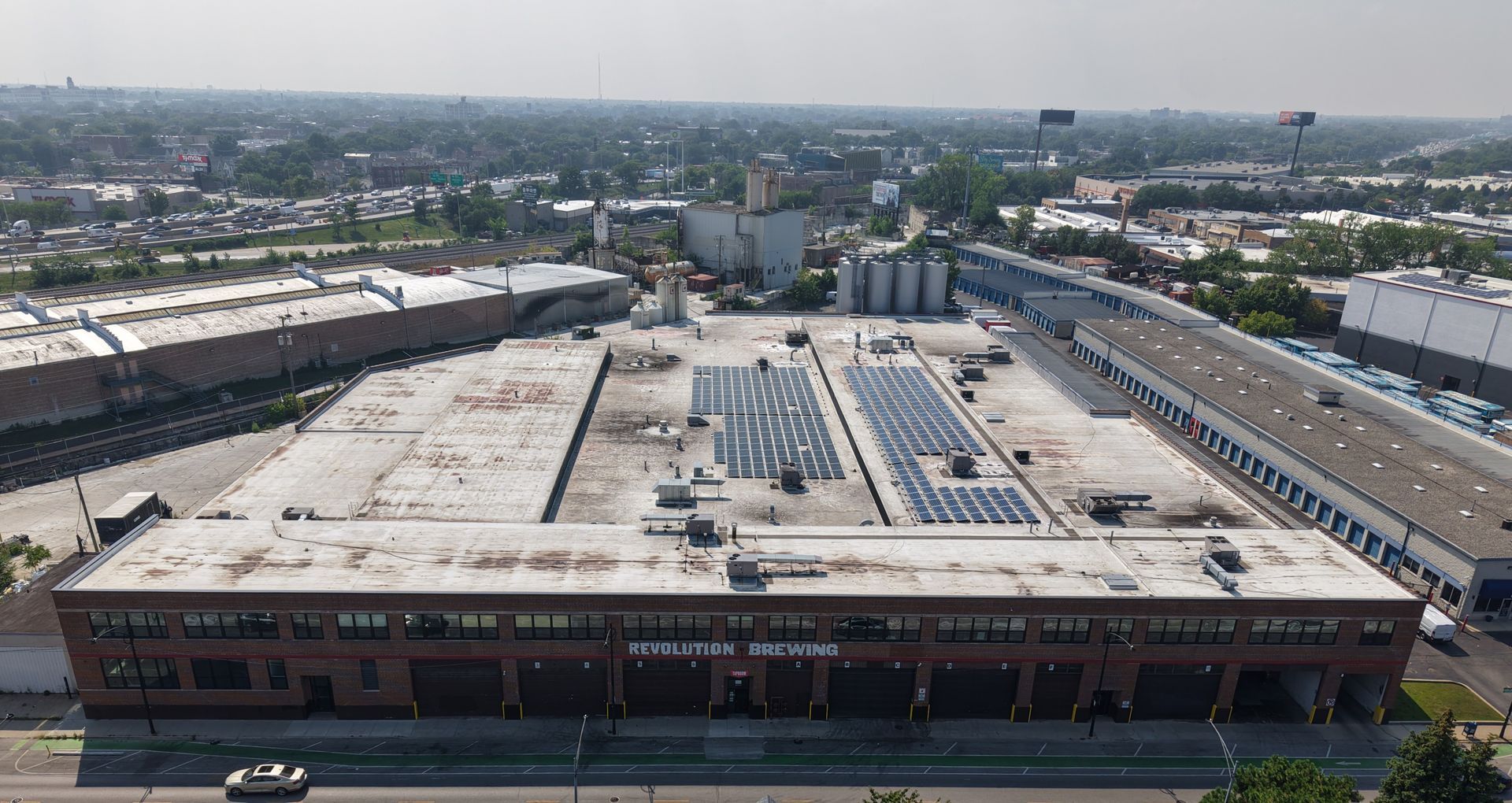
The 56,800-square-foot structure is home to twenty science and world language classes, as well as a rooftop greenhouse and garden. The building relies heavily on natural daylight and its PV system generates 534 MWh-year, producing more energy than the project consumes.


The building’s two, two-story living walls enhance occupant comfort, and multi-purpose spaces contribute to student collaboration. Aspects like these “help put learning on display,” said Wendy Watts, Design Principal at Wight & Company.

The school has historically invested in sustainability. The existing campus achieved LEED EBOM Gold in 2011, and was re-certified in 2016 and 2021. The EUI of the EBA I building addition is 32; Including PV generation in the energy balance, the EUI is -3.


An aerial view of a large building with solar panels on the roof.

Solar PV offers savings


The project’s photovoltaic array generates more energy than it consumes. Assistant Superintendent for Business Services, Sean Carney, estimates that the school saves about $65,000 annually on electric avoidance due to the solar array. The Illinois Clean Energy Community Foundation’s $1 million grant funded the array.

Why is biophilia important when designing a net zero building?

With 98.8% of spaces having views to the outdoors, EBA I connects students with nature. In addition, biophilic elements like the living green walls and green roof cultivate a calm environment. 97.7% of space is daylit, which not only saves energy, but also contributes to the overall well-being of students.


A woman is sitting at a table in a living room next to a green wall.

Asking Questions pushes the Project Further

Ongoing collaboration between the owner and architect helped the project team reach net zero. At the beginning of the project, the school district didn’t anticipate creating the state’s first certified net zero building, but this became a realistic goal through the sharing of ideas and questions between stakeholders. 


“One of the things that I appreciate about the relationship we have with Wight & Co. is they will push against me, and we push back against them, and at the end of the day we get to a product that — quite simply — works,” Carney said.

Green roof provides hands on learning


The rooftop’s greenhouse and garden beds provide students with hands-on learning while also reducing stormwater runoff and energy use. The green roof also minimizes heat island effect and helps keep the building cool or warm, depending on the season.

A man and a woman are standing in a garden on the roof of a building.
A woman is sitting at a table in a hallway next to a green wall.

Living walls offer comfort and savings

The building’s two two-story living green walls reduce energy consumption and provide clean indoor air. The plants help filter air by removing carbon dioxide and other particulates from the air while recirculating already conditioned air. This allows the variable refrigerant flow (VRF) system to exert less mechanical power, resulting in greater energy savings. When designing the living wall, the team carefully considered humidification, lighting, and plumbing and mechanical codes.

A quote from wendy witte is in a speech bubble

EBA 1 set a sustainable standard

The harsh climate in northern Illinois has always been a concern when it comes to operating a net zero building, but the effectiveness of EBA I’s PV array and daylighting demonstrates how projects like these can succeed, even with limited access to sunlight. The building’s rooftop greenhouse and garden, as well as the living walls, are spaces where students can learn about and enjoy nature.

By Ryan Wilmington January 23, 2026
Five years ago, Illinois Green Alliance launched a new strategic plan with a bold north star to guide our work: to make net zero buildings feasible, affordable, and so commonplace that every building in Illinois was net zero by 2050. Mainstreaming the technology and building methods, whether new or existing, is no easy feat. But we realized no one was better positioned to make it happen than green building professionals.Our focus over the last five years have been about laying the foundation necessary to meet our long-term vision and I’m excited to share the progress we’ve made. These past five years have been guided by three pillars: ● Educating industry professionals to ensure they have the expertise to use net zero building methods in their work and can help us raise awareness about their value with building owners and policy makers. ● Removing barriers by providing information about the technical, financial, social and policy roadblocks to net zero adoption and passing new laws that help to overcome these barriers. ● Demonstrating it can work everywhere by collaborating with building types in historically underinvested communities that are considered difficult to implement net zero methods. That focus has paid off, allowing us to meet many of the goals we set for our work across all of our strategies. For example:
By Ryan Wilmington January 16, 2026
At the start of 2025, I told our members that we can build a movement of green building advocates that can continue the progress made in Illinois for high-performance building, regardless of what happens in Washington D.C. Over the last year, you’ve proven me right. While elsewhere green building and clean energy goals have been put on pause, Illinois has continued the fight and won three huge victories that usher in historic investment in clean energy and green buildings and raise the bar for building performance, completely changing the landscape for what is possible in this industry. 
By Twyla Neely-Streit December 16, 2025
he mission of the Illinois Green Schools Project (IGSP)—our year-long school sustainability action and recognition program--is to empower educators, school administrators, students, and school communities to create healthy, sustainable learning environments. This work requires passion, collaboration, and informed support, and as an IGSP program coordinator, I’m always on the lookout for opportunities that help schools build the knowledge and connections needed to drive meaningful, lasting change in their buildings and districts. The Green Schools Conference has long been one of the most impactful gatherings in this space. Its focus on the intersection of environmental health, sustainability, and education makes it a uniquely valuable event for anyone working to make schools healthier and greener places for students to learn and grow. From educators, administrators, and district representatives to facilities managers, students, and community organizations, the Green Schools Conference is a powerful space to learn, collaborate, and fuel your next big idea. This year’s conference promises a rich lineup of workshops, education sessions, and networking and recognition events that speak to the needs and realities of today’s school sustainability landscape. Districts across Illinois are navigating shrinking budgets, aging infrastructure, and a newly passed state-wide law requiring the inclusion of climate education in public school curriculum starting in 2026. Therefore, I’m particularly excited to see sessions on the agenda exploring climate action and resilience planning, opportunities to connect students to sustainability career pathways, and environmental literacy in classrooms. These conversations are essential as programs like the Illinois Green Schools Project continue evolving to support schools in setting goals, tracking progress, and engaging diverse communities in sustainability work. If you’re considering attending this year, I encourage you to take a look at the agenda and explore the sessions that could support your school or organization’s goals. You’ll find no shortage of practical insights, creative ideas, and meaningful connections. I know those who attend will come away with the same clarity, inspiration, and sense of comradery that have made past conferences so influential for myself and others in the Illinois school sustainability community.
More Posts