A Letter from our 2025 Board Chair
In 2021, Illinois Green embarked on a bold five-year strategic plan with an aspirational, future-forward mission: to make net zero buildings feasible, affordable, and so commonplace that every building in Illinois is net zero by 2050.
Since then, we’ve seen remarkable progress in the conversation around green buildings, and Illinois Green has been at the forefront of driving this transformation. Through our collaborative initiatives, innovative programming, and advocacy efforts, we’ve amplified the voice of the green building community and positioned Illinois as a leader in sustainable building practices.
As the 2025 Chair of the Board of Directors, I am honored to guide Illinois Green as we embark on the final year of our 2021-2025 strategic plan. The Board of Directors and staff are focused on ensuring the organization remains a catalyst for innovation, action, and progress.
Over the past four years, Illinois Green has expanded its reach and impact significantly. This growth has empowered us to introduce innovative new formats for our education programming, strengthen our role and voice in the policy and advocacy space, and deliver transformative projects like the Building Energy Resource Hub, which has demonstrated that high-performance buildings are achievable in every corner of Illinois.
At its core, Illinois Green’s work is about people—our community of architects, engineers, building owners, operators, builders, product manufacturers, policymakers, and sustainability advocates. By convening these diverse voices and perspectives, we’ve created a collaborate space that has sparked new ideas and driven meaningful change.
Looking ahead, we will continue building on these successes in a few key areas: providing programming that equips the green building community with knowledge and resources, deepening engagement with policymakers and industry leaders to promote clean and healthy buildings, and reinforcing Illinois Green’s leadership in advancing building decarbonization throughout the state.
Of course, this work would not be possible without the dedication, support, and engagement of our community of volunteers, advocates, donors, and industry professionals. Thank you for being an integral part of our mission. Together, we will build on these strong foundations to ensure a future with healthier and greener communities across Illinois.

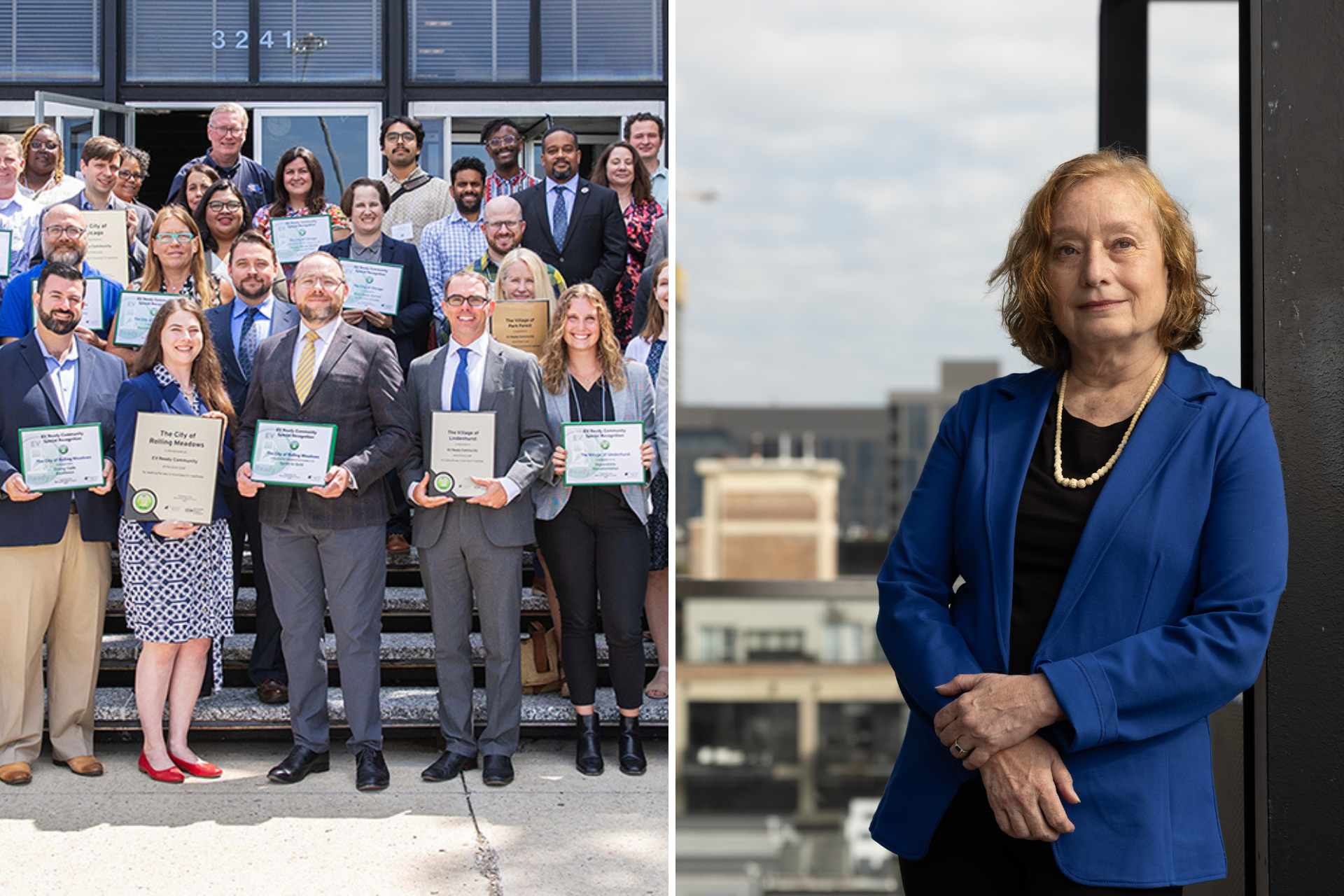
Deana A. Haynes
2025 Board Chair | Illinois Green Alliance